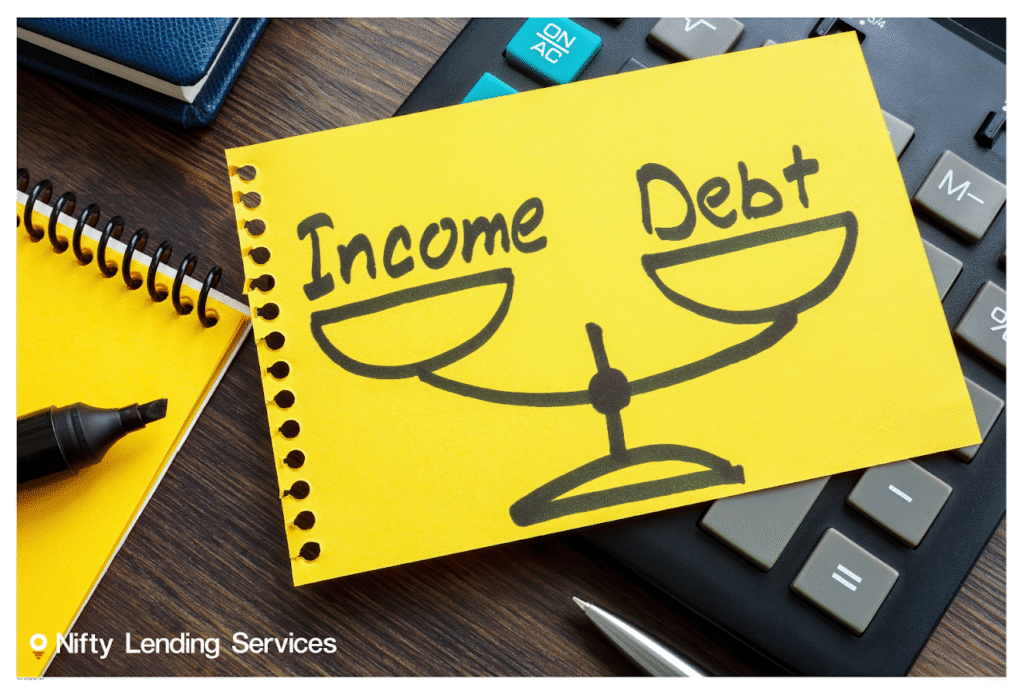

When someone comes to me about getting a home loan, one of the first things we go through is their current debts. Car loans, credit cards, personal loans — all of these influence how much you can borrow and how comfortable your repayments will feel.
Plenty of people jump straight to:
“Should I consolidate everything into the home loan?”
Sometimes that’s the right move — but not always.
Before you roll all your debts into one big loan, it’s worth taking a step back and getting a clear view of your finances first.
A simple way to do that is by using a debt stacking approach. It’s straightforward, motivating, and helps you get on top of your commitments long before you make a decision about debt consolidation.
Here’s how it works — and why it’s helpful when you’re preparing for a home loan.
1. List All Your Debts Clearly
Start by writing down every debt you have:
- Current balances
- Interest rates
- Minimum monthly payments
Sort them from smallest to largest, or in whatever order feels easiest to tackle.
Why this matters
Lenders assess your borrowing capacity based on your ongoing commitments. When everything is laid out in front of you, it becomes easier to see which debts are dragging your capacity down and where you might free up some room.
2. Keep Paying the Minimums on Everything
While you follow the debt stacking approach, make sure all your accounts stay up to date by paying at least the minimum amount on each one.
Why this is important
Missing payments can:
- Affect your credit report
- Lead to late fees
- Make the home loan process harder
Even one overdue entry can raise questions.
Keeping all your debts current protects your credit file and shows lenders that you manage your commitments well.
It also simplifies things — you’re not chasing overdue bills while trying to improve your financial position.
3. Focus on One Debt at a Time
Choose the easiest debt to clear first. For many people, that’s the one with the smallest balance.
Put any extra money — even a small amount — toward that one debt until it’s gone.
Why this helps
You get a quick win.
When a debt disappears:
- Your confidence increases
- Your cash flow becomes easier
- Your financial position improves
From a home loan perspective, clearing even one small balance can positively affect your assessment outcome.
4. Stack Your Payments Toward the Next Debt
Once a debt is cleared, take the amount you were paying on it and add that to the next debt you want to knock out.
Your repayments grow naturally without changing your overall budget — and your progress speeds up.
How this supports your home loan goals
The fewer unsecured debts you have, the stronger your borrowing position becomes.
This step-by-step progress can make a noticeable difference when applying for finance.
5. Keep Building Momentum
Every debt you clear makes things lighter.
You begin to understand your spending patterns more clearly, and you feel more in control.
By the time you’ve worked through a few balances, you can enter the home loan process with:
- Greater confidence
- Stronger borrowing capacity
- A cleaner financial profile
Where Debt Consolidation Fits In
Debt consolidation into a home loan can make sense in some situations — especially if you’re overwhelmed with multiple payments or high-interest credit cards.
But it’s not something to jump into without a clear strategy.
Here’s why taking your time before consolidating can be smarter:
- Consolidating stretches short-term debts over a much longer loan term
- You could end up paying more interest over the life of the home loan
- Some small debts can be cleared quickly using the debt stacking approach — no consolidation needed
- Lenders prefer seeing consistent repayment behaviour rather than a last-minute clean-up
By spending even a few months stacking and paying down debts, you strengthen your position and gain clarity about your true borrowing comfort level.
If You’re Planning a Home Loan Soon
Use the debt stacking approach as your starting point.
It brings structure, builds momentum, and helps you understand your finances better before taking on a new commitment.
Once you’ve done that, it’s worth getting:
- A borrowing capacity check
- A review of which debts have the biggest impact
- Advice on whether consolidation will genuinely help your situation
Debt consolidation should be a strategic choice — not the first step.